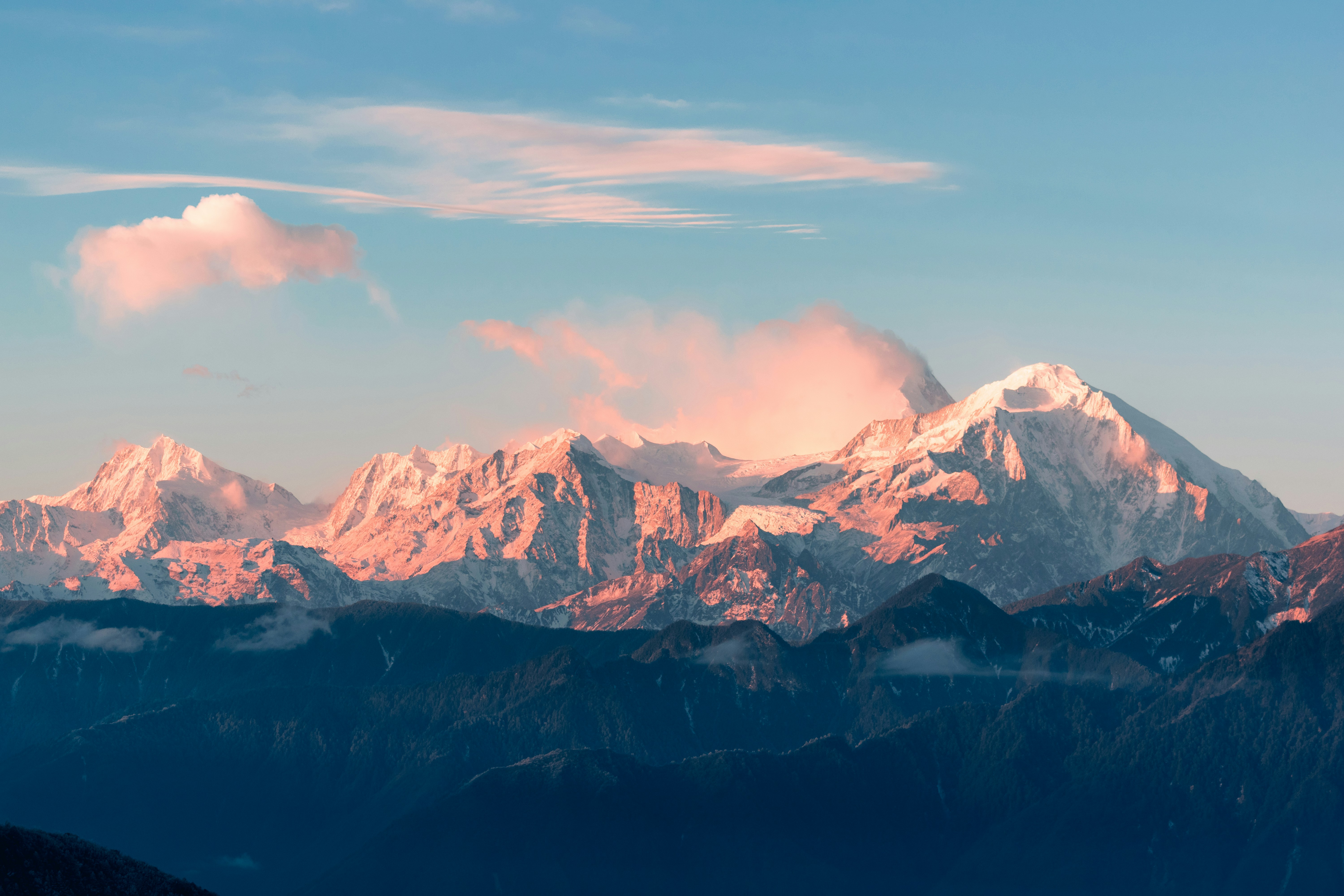
Everest Base Camp(EBC) Trek-13 day
Trip Overview
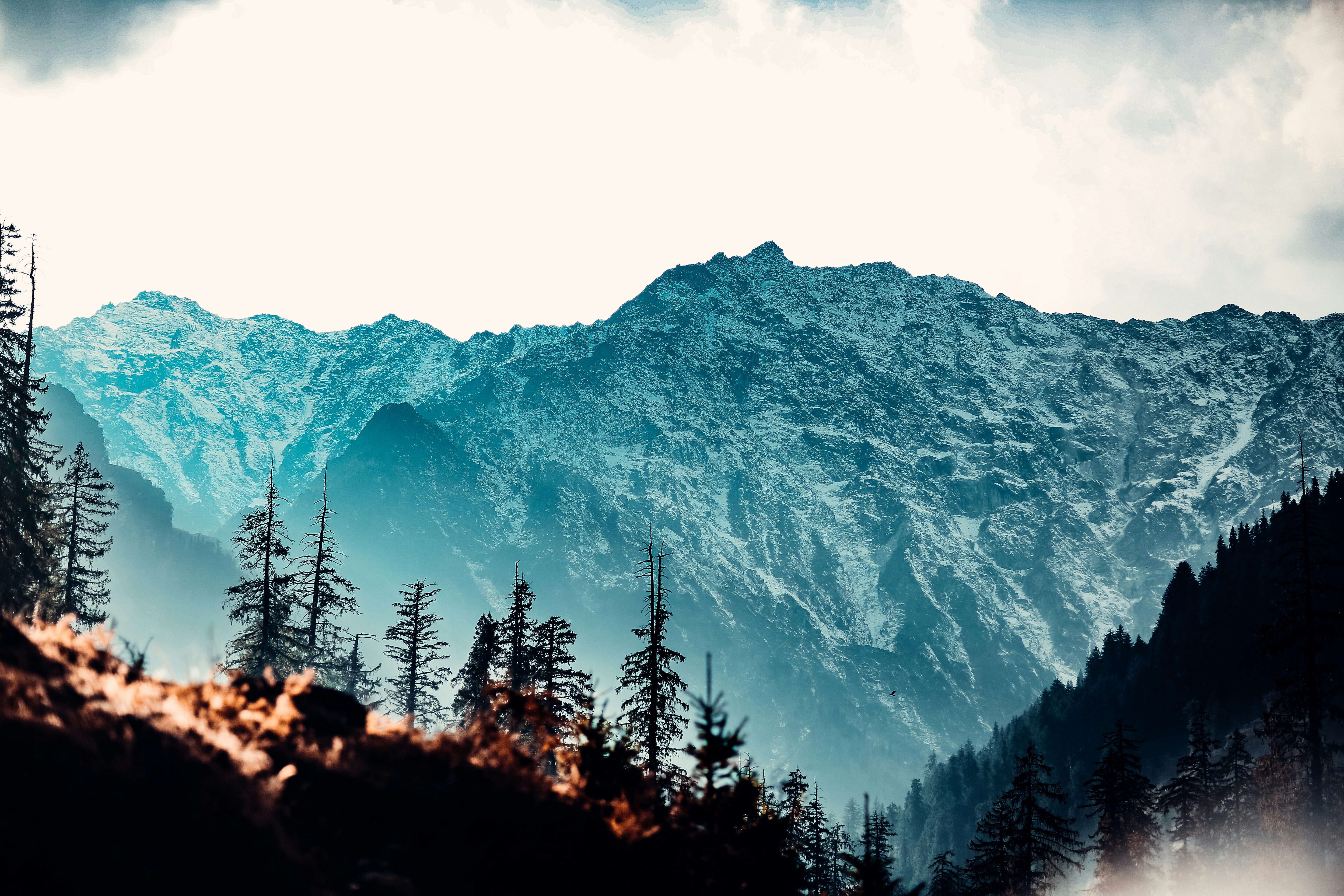
Everest Base camp trek provide you golden opportunity to see Mt. Everest (8848.86 meters) with in-front of your own eyes. Nepal is the only country where 8 out of the 14 highest mountains in the world are located! This trek is best suited for those who want to feel the pride of reaching EBC. It offers excellent views, a glimpse of Sherpa villages, monasteries, and countless varieties of Himalayan flora and fauna.
Detailed Itinerary
Representative from Tilicho Tours will meet you at TIA Airport and transfer you to your hotel. Evening briefing about the trek.
Explore UNESCO World Heritage sites (Pashupatinath, Swayambhunath, etc.) and finalize your trekking gear and permits.
A thrilling flight to Lukla starts your journey. A short downhill trek takes you to the village of Phakding by the Dudh Koshi river.
Enter the Sagarmatha National Park. After crossing several suspension bridges, a final steep climb brings you to Namche Bazaar.
Vital rest day. Hike to Everest View Hotel (3,880m) for your first panoramic view of Everest and Ama Dablam.
The trail offers stunning views of the mountains before descending to the river and climbing up to the famous Tengboche Monastery.
Walk through rhododendron forests. The landscape starts to become more "alpine" and desolate as you gain altitude.
Optional hike to Nangkartshang Peak (5,083m) for great views of Makalu and Island Peak.
The trail climbs to Thukla, then continues alongside the Khumbu Glacier moraine. Pass the memorial for fallen climbers.
Reach Gorak Shep, have lunch, then head to Everest Base Camp. Stand at the base of the world's highest peak before returning to Gorak Shep.
Early morning climb to Kala Patthar for the best sunrise view of Mt. Everest. Descend back down towards Pheriche.
A long descent through forests and Sherpa villages as you head back to the comforts of Namche.
A final walk back to Lukla airport and a flight back to Kathmandu. Transfer to hotel and farewell dinner.
Equipment Checklist
Proper gear ensures safety and comfort in the extreme weather of the Himalayas. Pack intelligently without carrying extra weight.
| Category | Items | Remarks |
|---|---|---|
| Main Trekking Items | 4-Season Sleeping Bag, Down Jacket, Duffel Bag, Daypack (25-35L), Windbreaker jacket, Raincoat | Duffel bag will be carried by the porters; keep essential items in the daypack |
| Head, Face & Eyes | Warm woolen hat, Sun hat, UV Sunglasses, Buff/Neck warmer, Sunscreen (SPF 50+), Headlamp with spare batteries | Protection against high-altitude UV rays and intense wind conditions |
| Hand Wear | Lightweight inner gloves, Heavy windproof/insulated gloves | Essential for cold mornings and Larke La Pass day |
| Upper Body Wear | Long-sleeved base layers, Moisture-wicking T-shirts, Fleece jacket, Woolen sweater, Outer shell jacket | Focus on a breathable layering system for variable temperatures |
| Lower Body Wear | Thermal trousers, Trekking trousers, Waterproof pants, Comfortable evening track pants | Ensure maximum movement comfort and nighttime warmth |
| Footwear | Sturdy waterproof trekking boots, Camp shoes/sandals, Woolen trekking socks, Spare inner liner socks | Properly broken-in hiking boots prevent blisters and ankle twists |
| First Aid & Meds | Band-Aids, Blister tape, Diamox (for AMS), Water purifiers, Pain relievers, Personal medications | Our guides carry a standard first aid kit; personal meds are recommended |
| Essentials & Extras | Valid Passport, Passport photos, Reusable Water bottle/Bladder, Basic toiletries, Power bank, Trekking poles | Important items for smooth documentation and functional ease |
Important Advice
- Keep your duffel bag within the standard porter weight limit (12-15 kg maximum per guest).
- Break in your new boots before the trek to avoid debilitating blisters.
- Layering clothing is highly effective for transitioning between sub-tropical lowlands and high-altitude alpine zones.
- Most personal items and basic gear can be bought or rented conveniently in Kathmandu.
Be well-prepared for a rewarding and stress-free journey.
Package Includes & Excludes
✅ Includes
- All private airport pickups and drop transfers in Kathmandu
- Standard hotel stays in Kathmandu (Bed & Breakfast plan)
- Full board teahouse/lodge accommodation during the trek
- Delicious vegetarian breakfast, lunch, and dinner while trekking
- Restricted Area Permit (MRAP) + MCAP and ACAP conservation permits
- All required ground transportation as outlined in the itinerary
- Experienced, licensed English-speaking trekking guide
- Support porters (1 porter service shared between 2 trekkers)
- Guide and porter salaries, meals, accommodation, and insurance
- Company duffel bags, trekking poles, and first aid kits (if required)
- All applicable Nepalese government service taxes and fees
- Comprehensive emergency helicopter rescue arrangement support
❌ Excludes
- International flight ticket fares and Nepal tourist visa fees
- Lunch and dinner meals while staying in Kathmandu
- Mandatory comprehensive travel and high-altitude evacuation insurance
- Personal gear, clothing, and equipment not specified
- Personal expenses: Wi-Fi, battery charging, hot showers
- Mineral water, coffee, tea, soft drinks, and alcoholic beverages
- Snacks, desserts, energy bars, and extra food requests
- Extra overnight hotel stays due to weather delays or changes in itinerary
- Tips and gratuities for trekking guides, porters, and drivers
Trekking Map

Good To Know
Best Season: High seasons run from March to May and September to November, featuring exceptional visibility and stable weather.
Permit Requirements: The Manaslu circuit falls within a restricted zone; a minimum of two trekkers traveling with a licensed guide is legally required.
Trek Grade: This is a challenging trek. We highly recommend consistent cardiovascular training prior to your arrival.
Accommodation: Tea houses along the route offer simple rooms with common bathrooms in some villages. Quality improves in the lower valley areas.
Safety Guidelines: Our itineraries are explicitly configured with built-in acclimatization stops. We check oxygen levels daily to ensure overall well-being.
Gallery (Swipe / Click)